

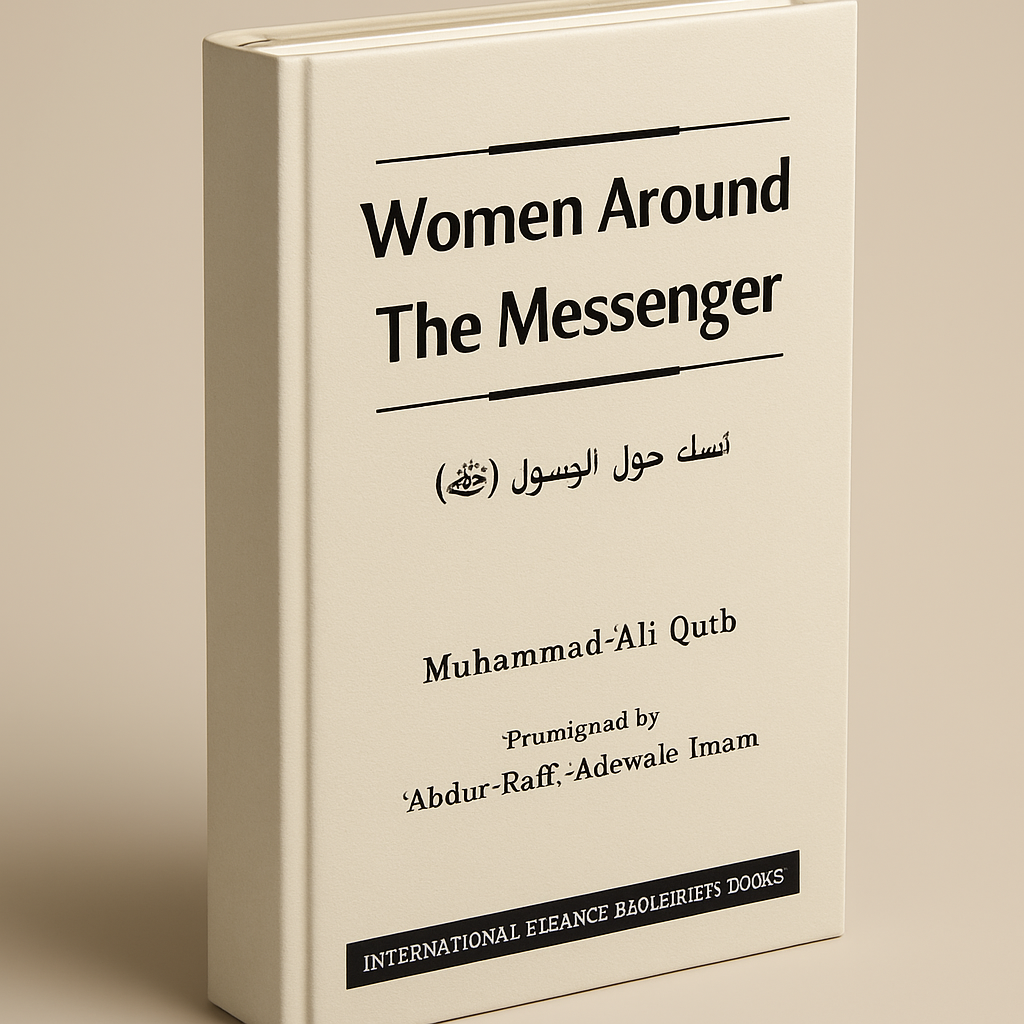
Women Around The Messenger, A comprehensive look at the women companions of the Prophet
A comprehensive look at the women companions of the Prophet
Free
Discover the remarkable stories of the women who profoundly influenced the early days of Islam with 'Women Around The Messenger' by Muhammad-Ali Qutb. This captivating book delves deep into the lives, wisdom, and tremendous contributions of the female companions who stood beside the Prophet Muhammad (peace be upon him). Perfect for anyone passionate about Islamic history or seeking to be inspired by the strength and leadership of women, this meticulously written volume is a must-have addition to any collection. The book is presented in a convenient paperback format, making it easy to carry and enjoy wherever you go. Whether as a thoughtful gift or an addition to your own library, 'Women Around The Messenger' brings vivid stories and timeless lessons to life—enriching your understanding and admiration for the pioneering women of early Islam.
### Women Around the Messenger: A Comprehensive Look at the Women Companions of the Prophet Muhammad The legacy of the Prophet Muhammad (peace be upon him) is profoundly intertwined with the lives of the women who surrounded him. These women played crucial roles in the early days of Islam, contributing not only to the social fabric of their communities but also to the development and spread of a faith that would soon encompass vast regions of the world. This exploration aims to shed light on the lives, contributions, and influence of these remarkable women companions, showcasing their integral roles in the nascent Muslim community. #### Khadijah bint Khuwaylid: The First Believer Khadijah bint Khuwaylid, the first wife of Prophet Muhammad, stands out as one of the most significant figures in Islamic history. Born into a respected family in Mecca, she was a successful businesswoman who recognized Muhammad’s qualities of integrity and trustworthiness. Their marriage was not just a personal union, but a partnership that played a vital role in the early days of Islam. Khadijah was the first person to accept Muhammad's prophecy, providing him with emotional and financial support during the early years of his mission. Her wealth enabled Muhammad to focus on his prophetic duties, and her belief in his message gave him the strength to persevere in the face of adversity. Khadijah's legacy continues to inspire women, symbolizing strength, faith, and resilience. #### Aisha bint Abu Bakr: The Scholar Among the Prophet’s wives, Aisha bint Abu Bakr is one of the most prominent figures in Islamic history. Renowned for her intellect and knowledge, Aisha became one of the most significant narrators of Hadith (sayings of the Prophet). Her keen memory and sharp intellect contributed to preserving many aspects of the Prophet's life and teachings. Aisha’s role extended beyond scholarship; she was actively involved in the political affairs of the Muslim community during and after the Prophet's life. Her leadership during the Wars of Apostasy and the Battle of the Camel emphasized her courage and commitment to Islam. Aisha's teachings have left an indelible mark on Islamic jurisprudence, making her a pivotal figure for centuries to come. #### Fatimah bint Muhammad: The Beloved Daughter Fatimah, the daughter of Prophet Muhammad and Khadijah, holds a revered position in Islamic thought and tradition. She is often celebrated for her piety, strength, and dedication to her family and community. After the death of her mother, Fatimah became a pillar of support for her father and the early Muslim community. Her marriage to Ali ibn Abi Talib, the Prophet’s cousin, further solidified her influential status within Islam. Fatimah is remembered for her noble character and resilience during times of hardship. She is considered a role model for Muslim women, embodying the ideal of a loving mother, a devoted wife, and a daughter who stood by her father’s side during a crucial time in history. #### Zainab, Ruqayyah, and Umm Kulthum: The Daughters of the Prophet The Prophet Muhammad had four daughters, all of whom played varying roles in the early community of Islam. Zainab, the eldest, was known for her strength and steadfastness. After marrying Abu al-As ibn al-Rabi, she navigated the complexities of familial and religious loyalty during a time of persecution. Ruqayyah and Umm Kulthum faced their hardships, especially during the early years when their husbands embraced Islam. Their lives reflect the broader struggles of the Muslim community during the early days of Islam and the personal sacrifices made in the name of faith. The experiences of the Prophet's daughters galvanized support for the emerging religion, showing how women utilized their social roles to support Islamic teachings. #### Safiyyah bint Abd al-Muttalib: The Warrior Safiyyah bint Abd al-Muttalib, the aunt of the Prophet, is another remarkable figure in early Islamic history. She demonstrated immense courage as a woman in a predominantly male sphere, even partaking in battles such as the Battle of Hunayn. Known for her strong personality and warrior spirit, she contributed to the defense of Muslims during times of conflict. Her life serves as an example of how women actively participated in both the social and military domains, challenging stereotypes regarding gender roles in early Islam. #### Asma bint Abu Bakr: The Resourceful Asma bint Abu Bakr, the daughter of Abu Bakr (the Prophet's closest companion), played a pivotal role during the Hijrah (migration) from Mecca to Medina. She demonstrated exceptional ingenuity and courage when she assisted in providing supplies to the Prophet and her father during their migration to Medina. Asma's commitment to the cause of Islam was unwavering, and her resourcefulness in perilous times exemplifies the critical contributions of women in the formative years of the Islamic community. #### Umm Salama: The Wise Counselor Umm Salama, one of the Prophet's wives, is noted for her wisdom and insight. She was not only a supportive partner but also an influence in Islamic jurisprudence. She played a significant role during the Treaty of Hudaybiyyah, advocating for a resolution that favored the Muslims’ interests despite initial resistance. Her counsel was sought in various matters, including those that would shape the community, making her a central figure in decision-making processes. Umm Salama is often recognized for her depth of understanding and diplomatic skills that contributed to the Muslim community's unity and strength. #### Women of the Ansar: Builders of the Community The women of the Ansar (the residents of Medina) also played an indispensable role in welcoming and supporting the Prophet and the early Muslim migrants from Mecca. Their support extended from providing shelter and sustenance to actively engaging in the social structures that upheld the new Muslim community. Notable figures such as Nusaybah bint Ka’ab exemplified the courage of these women, as she actively participated in battles alongside the men, defending their beliefs and community. #### Conclusion The women companions of the Prophet Muhammad embody strength, resilience, and devotion that transcends time. Their contributions to the propagation of Islam and the shaping of early Islamic society are invaluable. From the first believer, Khadijah, to the accomplished scholars like Aisha, and the resourceful figures such as Asma bint Abu Bakr, these women forged paths both spiritually and socially in a rapidly changing world. Their legacies continue to inspire generations, reminding us of the profound role women have played throughout Islamic history. By recognizing their contributions, we honor the multifaceted narratives that define our understanding of faith, community, and resilience.