
Islam - Elevation of Women's Status, A thoughtful exploration of women's rights in Islam
A thoughtful exploration of women's rights in Islam
Free
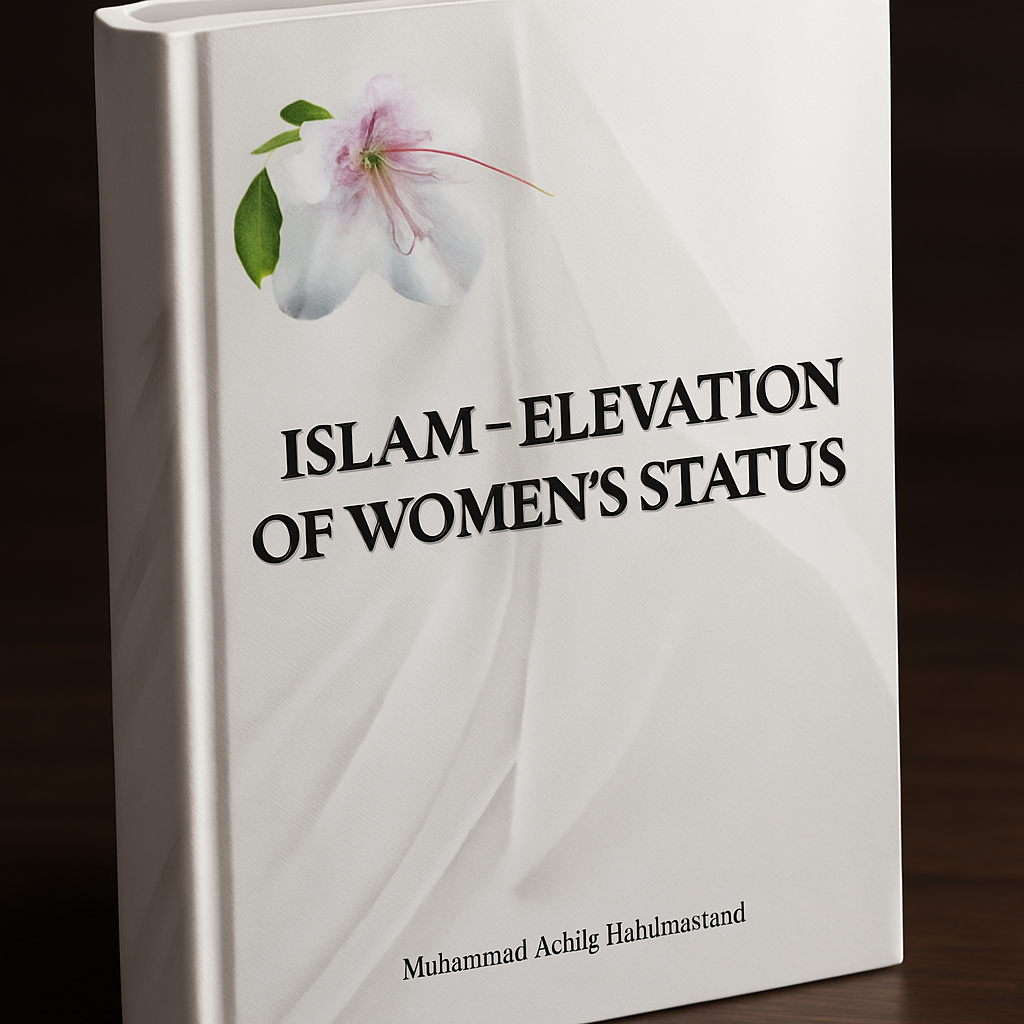
Discover the profound impact of Islam on women's empowerment with 'Islam – Elevation of Women's Status' by Muhammad Achlig Hahlumastand. This insightful book delves into the rich teachings of Islam, exploring how the faith has uplifted women's roles, rights, and recognition throughout history. Written from a scholarly perspective, it highlights key principles and inspiring stories that challenge common misconceptions. Perfect for students, researchers, and anyone passionate about women's rights, this book makes an excellent addition to your library or as a thoughtful gift. Paperback edition, approximately 250 pages, standard 6 x 9 inch size, featuring an elegant, durable cover design.
Islam, one of the world's major religions with over a billion followers, has often been subjected to misinterpretation and generalization, particularly regarding the status and rights of women. This exploration delves into the teachings of Islam, historical contexts, and the evolution of women's rights within this faith, aiming to illuminate how the religion itself endorses an elevated status for women, despite cultural practices that may contradict these principles. ### Historical Context: The Birth of a New Era When Islam emerged in the 7th century in the Arabian Peninsula, it was a time entrenched in patriarchal norms, where women had limited rights and were often treated as property. In stark contrast, the teachings of the Prophet Muhammad brought about significant changes in the societal status of women. The Quran, the holy book of Islam, contains verses that emphasize the equality of men and women in spirituality and morality. One of the most notable verses is Surah An-Nisa (4:32): "And do not covet that by which Allah has made some of you exceed others. For men is a share of what they have earned, and for women is a share of what they have earned." This verse not only affirms women's rights to their own earnings but also underscores their independent status in society. ### Rights Granted to Women Islam granted women numerous rights, many of which were revolutionary for the time. Women were given inheritance rights, the ability to initiate divorce, and the right to own property. The concept of **Mahr**, a mandatory gift from the groom to the bride, is another significant practice that highlights the respect and autonomy afforded to women. Furthermore, women were encouraged to seek education and knowledge. The Prophet Muhammad is reported to have said, "Seeking knowledge is an obligation upon every Muslim, male and female." This foundational principle reveals the importance Islam places on education without gender discrimination. ### Societal Contributions of Women Throughout Islamic history, women have made substantial contributions to various fields. Figures such as Khadijah bint Khuwaylid, the Prophet Muhammad's first wife, were businesswomen who played a crucial role in the early Islamic community. Aisha bint Abi Bakr, another prominent figure, was not only a wife of the Prophet but also an influential scholar and political leader who contributed significantly to Islamic jurisprudence and teachings. In contemporary times, women in various Muslim-majority countries have continued to assert their rights, fighting for education, representation, and freedom in both social and political spheres. This ongoing struggle highlights the tension between cultural practices and the true teachings of Islam, where many women find inspiration from Islamic texts to advocate for their rights. ### Contemporary Challenges Despite the foundational rights granted to women in Islam, numerous cultural and societal challenges still impact their status. Practices such as forced marriages, gender-based violence, and restricted access to education remain prevalent in some communities, often diverging from Islamic teachings. Such disparities lead to the misunderstanding that Islam as a whole endorses the oppression of women, rather than recognizing that these practices are primarily rooted in cultural customs rather than religious doctrine. ### The Role of Muslim Women Today Today, Muslim women are increasingly claiming their rights and redefining their roles within their communities. Organizations and movements led by women are springing up across the globe, emphasizing empowerment through education, economic independence, and advocacy for legal rights. Women like Malala Yousafzai, who advocates for girls' education, and Ilhan Omar, who represents the interests of Muslim women in the U.S. Congress, reflect the resilience and dynamism of women inspired by their faith. ### Conclusion: Reassessing Misconceptions The exploration of women's rights in Islam reveals a narrative that often contradicts popular misconceptions. While cultural practices can deviate from Islamic teachings, the religion itself promotes a comprehensive respect for women, envisioning a society where they are valued as equal partners in all aspects of life. As we consider the elevation of women's status in Islam, it is crucial to engage with both the religious texts and the socio-cultural contexts in which Muslim women live. By amplifying their voices and acknowledging their rights, we can foster a more nuanced understanding of women's roles in Islam and work towards a future where these rights are universally realized and respected. In conclusion, the path ahead requires reflection, dialogue, and action. If we aspire to genuinely elevate the status of women, it should start by dismantling misconceptions and embracing the truth grounded in Islamic teachings while supporting women's movements worldwide. The journey towards equality must be an inclusive one, where every woman, irrespective of her background, is encouraged to do justice to her rights as prescribed by her faith.